Moving to Fishtown: A Local's Guide for Buyers
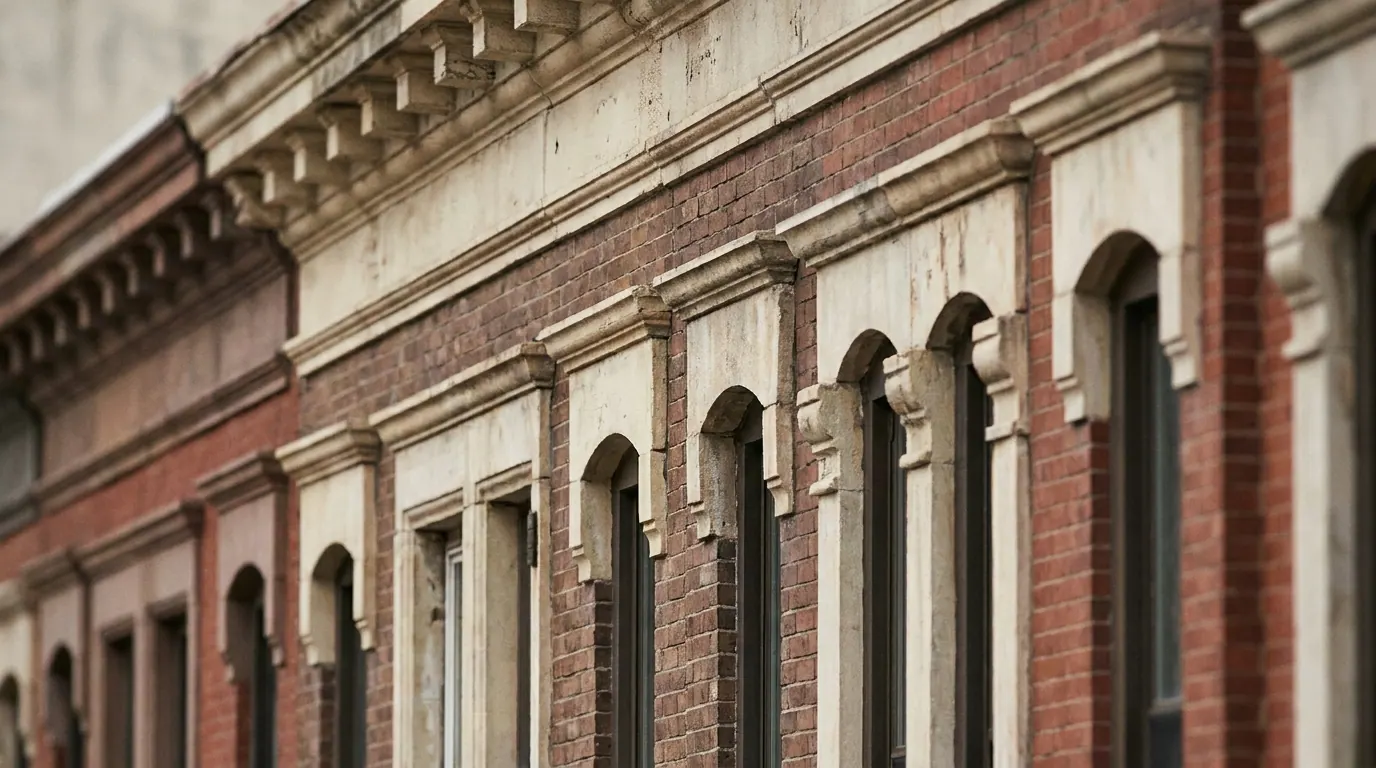
Fishtown has gone from one of Philadelphia's overlooked industrial neighborhoods to one of its most talked-about places to live. If you're weighing a move, here's what the neighborhood is actually like — the housing stock, the commute, the costs, and the parts of the buying process that are specific to Philadelphia.
Commute
Market-Frankford Line into Center City in roughly 10–15 minutes from Girard or Berks.
Housing
Mostly 19th- and early 20th-century rowhouses, plus newer construction near the waterfront.
Watch for
Parking varies block to block, and weekend nights are genuinely lively near Frankford and Girard.
What Fishtown looks like on the ground
Fishtown sits just northeast of Center City, across the border from Northern Liberties, running roughly from the Delaware River waterfront on the east to the rail corridor on the west. The name comes from the 19th-century fishing industry that once operated along the river. What that history left behind is a streetscape of tight two- and three-story rowhouses on narrow blocks, punctuated by converted warehouses, old factory buildings, and corner stores that have been there since the neighborhood was purely working-class.
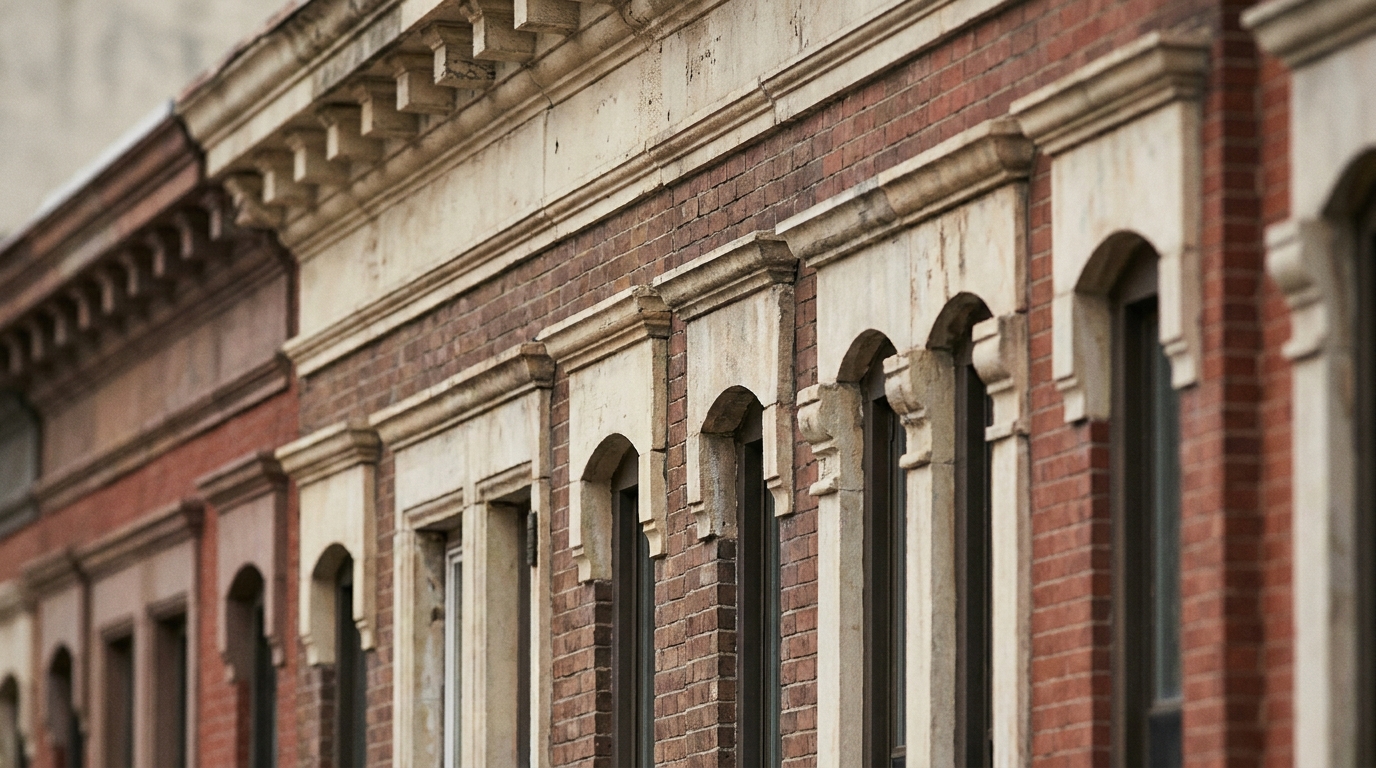
The rowhouses are the defining housing type. Most were built between the mid-1800s and early 1900s, which means brick fronts, modest square footage, and stoops that open directly onto the sidewalk. Some blocks have seen significant renovation — exposed brick, updated kitchens, rooftop decks — while others have homes that are largely original. The architectural character is consistent enough that the neighborhood looks genuinely distinct from newer parts of the city.
Along East Girard Avenue and Frankford Avenue, the commercial corridors, you'll find restaurants, bars, coffee shops, bottle shops and independent retail filling most of the ground-floor space. Both streets have real energy during the day and evening. If you want to walk to dinner, grab coffee on a Saturday morning, or find a neighborhood bar that isn't a chain, Fishtown delivers on that consistently.
Getting around: commute and transit
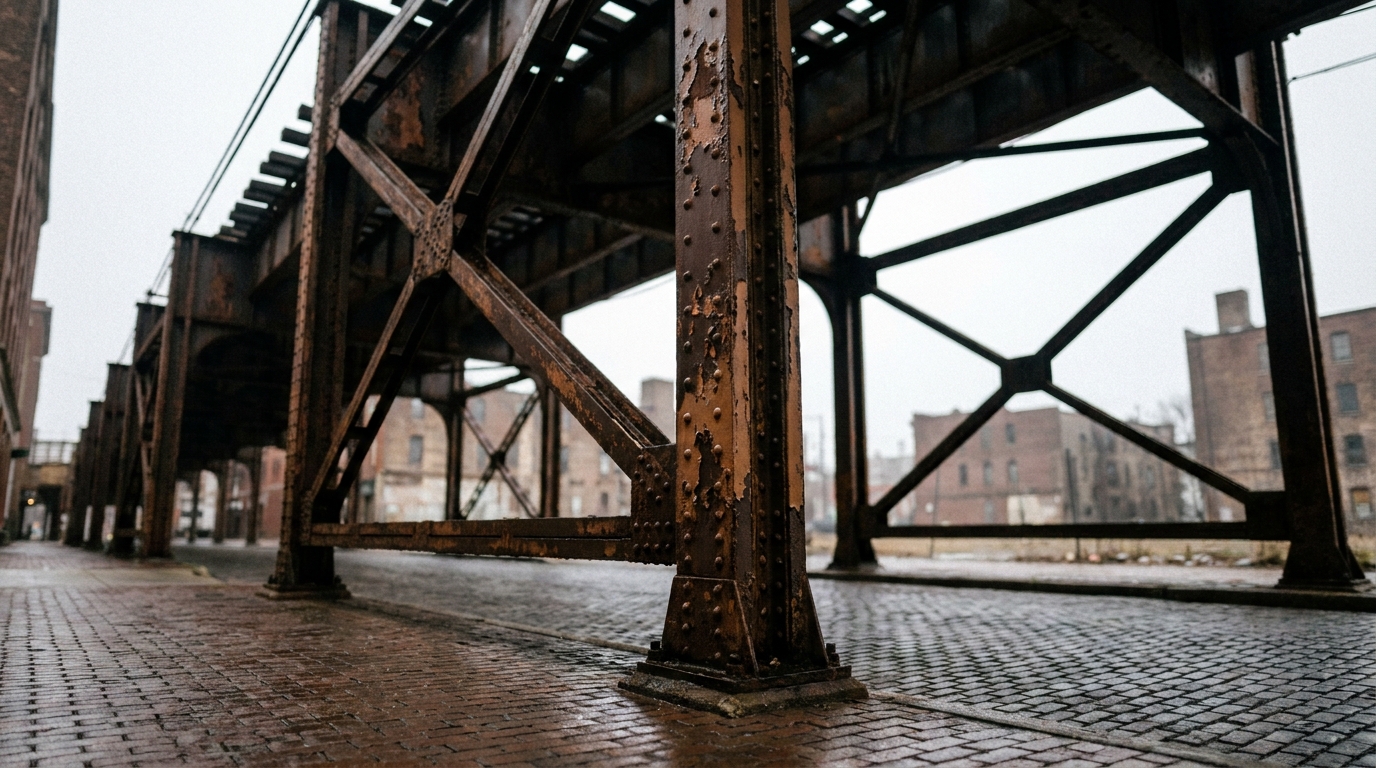
One of Fishtown's genuine strengths is transit access. The Market-Frankford Line — the El — runs through the neighborhood, with the Girard and Berks stations serving most of the area. From either stop you can be at 15th and Market in roughly ten to fifteen minutes depending on time of day. That's a real advantage over neighborhoods farther out.
SEPTA bus routes also run through the area, including service on Girard Avenue connecting west into other parts of the city. Cycling is a real option: the grid is relatively flat, and plenty of residents bike into Center City or Northern Liberties. Frankford Avenue and the Delaware River waterfront trail offer decent low-traffic routes.
Parking is the honest caveat. Car ownership is possible, but on the more densely built blocks competition for spots is real. If you work in Center City and don't need a car for work, you can live here without one. If you drive regularly or have more than one car, walk the specific blocks you're considering and assess it directly.
For regional travel, SEPTA Regional Rail's Trenton Line is accessible from Fishtown, opening up connections to the suburbs and New Jersey.
Housing costs and what you get for your money
Fishtown is not the cheapest entry point into Philadelphia homeownership anymore. Prices have moved significantly over the past ten to fifteen years, and the neighborhood now sits in a higher tier than many comparable rowhouse neighborhoods farther north or west. That said, the rowhouse format still means more character and square footage than you'd expect from newer construction at similar price points in other cities.
New construction condos and townhouses have come into the market too, particularly on river-facing blocks and parcels where old industrial buildings were cleared. These bring modern finishes, roof decks and parking, and appeal to buyers who want low maintenance. The tradeoff is that they sit alongside the original rowhouse fabric in a way that isn't always architecturally consistent.
If you're renting before buying — often a smart way to get to know a neighborhood — Fishtown has a healthy rental market, from single-floor apartments in converted rowhouses to purpose-built multi-unit buildings.
For a broader view of how Fishtown compares across the region, see buying in Philadelphia. We work South Jersey too if you're weighing both sides of the river.
Walkability and day-to-day living
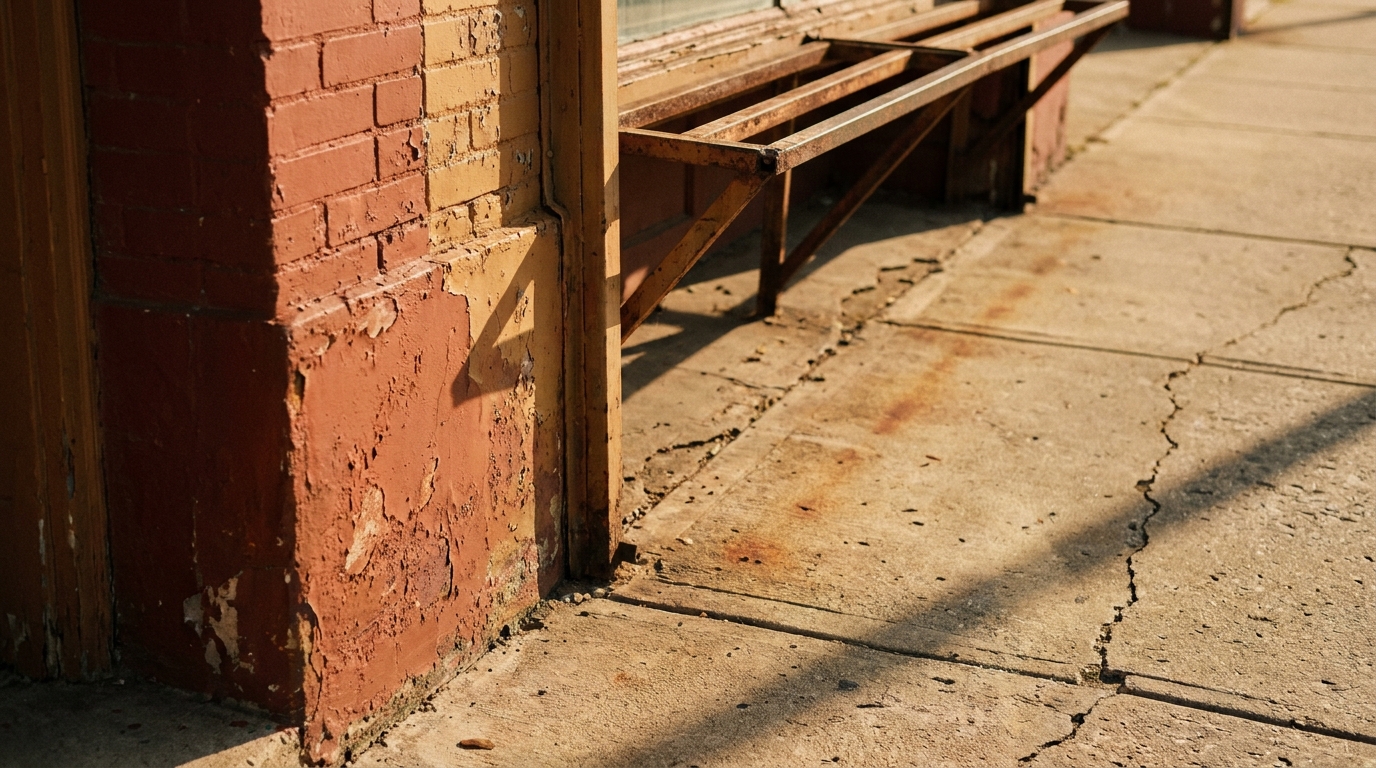
Fishtown scores well on walkability by Philadelphia standards. You can handle most daily errands on foot — groceries, coffee, restaurants, pharmacy, and much of your social life — without a car. The density of food and drink options punches well above the neighborhood's geographic size.
Within walking distance for most residents:
- Grocery options on and around Girard Avenue
- Dinner and brunch restaurants, casual through destination-level
- Independent coffee shops with reliable hours
- Music venues, including the Fillmore Philadelphia and smaller bars with live music
- The Delaware River waterfront and Penn Treaty Park for green space and river access
- A growing number of fitness studios and yoga spaces
One thing to calibrate: Fishtown is genuinely lively on weekend nights. Girard and Frankford are real entertainment corridors, so noise and foot traffic on Friday and Saturday evenings are part of the deal depending on your exact block. If quiet nights matter to you, spend a Saturday evening here before committing.
Schools
Fishtown falls within the School District of Philadelphia, which operates neighborhood schools alongside magnet and citywide admission schools available to Philadelphia residents. Because assignments, programs and quality shift year to year, go directly to the School District of Philadelphia and talk to families currently living here for current, ground-level information. An agent can tell you which catchment a specific address falls in; the district itself is your best source for what that means in practice.
Every block in Fishtown has its own character. Living at a specific address can be meaningfully different from living two blocks away.
Visit before you commit
Some blocks are calm and residential; others sit close to busy commercial strips or under the elevated line. Before any decision, rental or purchase, walk the blocks at different times of day and on different days of the week. Come on a Tuesday afternoon and again on a Saturday evening. That firsthand experience is irreplaceable, and it will tell you things no guide can.
Buying in Fishtown: what the process looks like
Purchasing in Philadelphia involves a few specifics worth knowing before you start making offers.
Philadelphia transfer tax
Philadelphia imposes a real estate transfer tax at both city and state level, and the combined rate is among the higher ones you'll encounter in Pennsylvania. It's a closing cost buyers should budget for. Rates change, so confirm current figures with your agent and settlement company before calculating your total out-of-pocket.
Deed transfer and title
Pennsylvania is not an attorney-review state the way New Jersey is — there's no mandatory review period built into the contract. You should still have a real estate attorney review your Agreement of Sale before signing, particularly for older Fishtown rowhouses where title history can be complicated. Title insurance is standard and important here.
Financing
Philadelphia has homebuyer assistance programs worth investigating, especially for first-time buyers. Income limits and availability change, so get current information from a lender who knows the market. Because we handle real estate and mortgage on the same side of the table, financing questions get answered by someone who understands both the purchase contract and the loan — which removes a lot of the back-and-forth.
Older rowhouses and inspections
Fishtown's housing stock is old. That's part of the charm, and it also means inspections matter more here than in newer construction. Budget for a thorough home inspection, a sewer lateral inspection — important in older Philadelphia rowhouses — and possibly specialist inspections for roof, chimney or electrical if anything gets flagged. Going in eyes open saves you from unpleasant surprises after settlement.
Who Fishtown works well for
Fishtown tends to suit buyers and renters whose priorities line up with what it actually offers: strong walkability, quick transit into Center City, a dense commercial strip, and a specific architectural character. If those match your lifestyle and budget, it's worth taking seriously. If you need a yard, a garage, or quieter nights, there are other Philadelphia neighborhoods worth exploring alongside it.
Frequently asked questions
Is Fishtown a good place to live if I work in Center City?
From a commute standpoint, yes — the Market-Frankford Line gets you into Center City in roughly ten to fifteen minutes from Girard or Berks. Whether the neighborhood suits you depends on your housing preferences, budget and lifestyle priorities, but proximity to downtown is one of its objective strengths.
How does parking work in Fishtown?
Street parking exists but varies significantly by block. On denser residential blocks and those near the commercial corridors, competition for spots is real. Some newer buildings include deeded parking. If you own a car, evaluate parking on the specific block you're considering rather than assuming it will be fine.
What's the difference between Fishtown and Northern Liberties?
They share a border and some character, but they're distinct. Northern Liberties sits to the south and west and has more of a planned-redevelopment feel, with larger mixed-use projects around its main commercial area. Fishtown's streetscape is generally more intact as a traditional rowhouse neighborhood, with a longer commercial strip along Frankford and Girard. Spending time in both is the best way to form your own view.
Are there new construction options, or is it all older rowhouses?
Both. Fishtown has a significant base of original 19th- and early 20th-century rowhouses, many renovated to varying degrees. There's also new construction — condos, townhouses and some multi-unit buildings — particularly closer to the waterfront and on formerly industrial land. New construction typically brings modern mechanicals and finishes at a premium over comparably sized older homes. Worth thinking through early, since they're genuinely different tradeoffs.
Thinking about buying here?
Get local advice and in-house pre-approval from one team.
More neighborhood guides
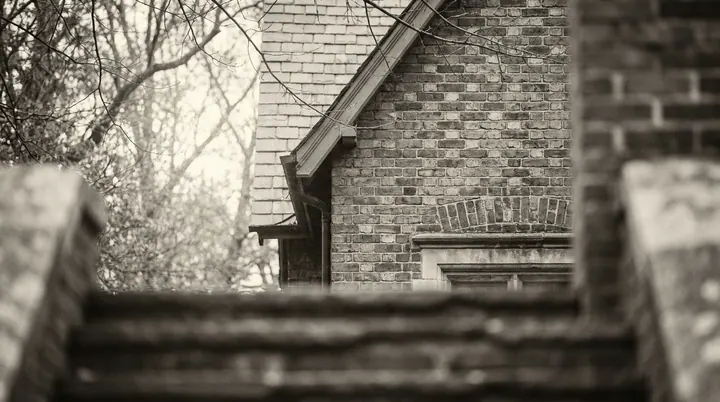
Buying a Home in Moorestown, NJ
Moorestown is one of those towns that doesn’t need much of a sales pitch. It has a tree-lined main street, older homes with actual character, and a commute to Philadelphia that’s genuinely manageable.
Read the guide →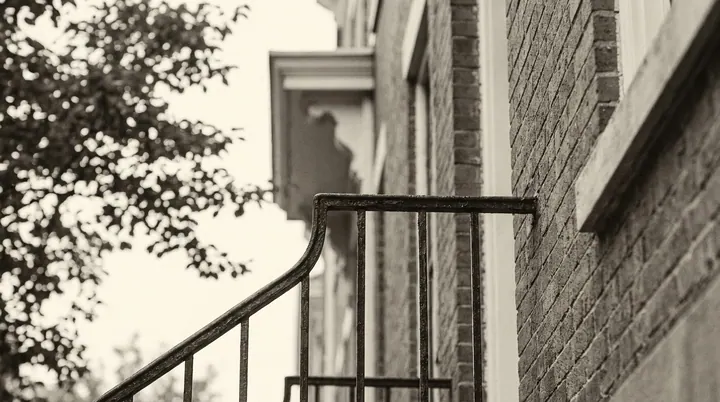
Living in East Passyunk: Neighborhood Guide
East Passyunk is one of those Philadelphia neighborhoods that tends to surprise people the first time they visit.
Read the guide →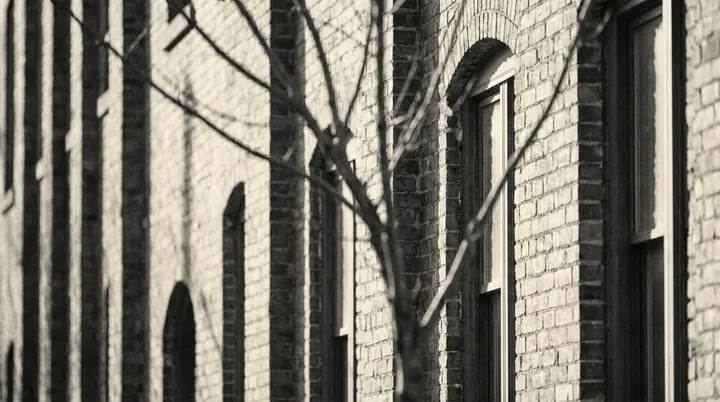
Living in Northern Liberties: A Buyer’s Guide
Northern Liberties sits just north of Old City and directly across the highway from Fishtown, and for anyone who has spent time walking its streets, it’s easy to understand why the neighborhood keeps drawing serious...
Read the guide →